
Alarm fatigue in elderly care
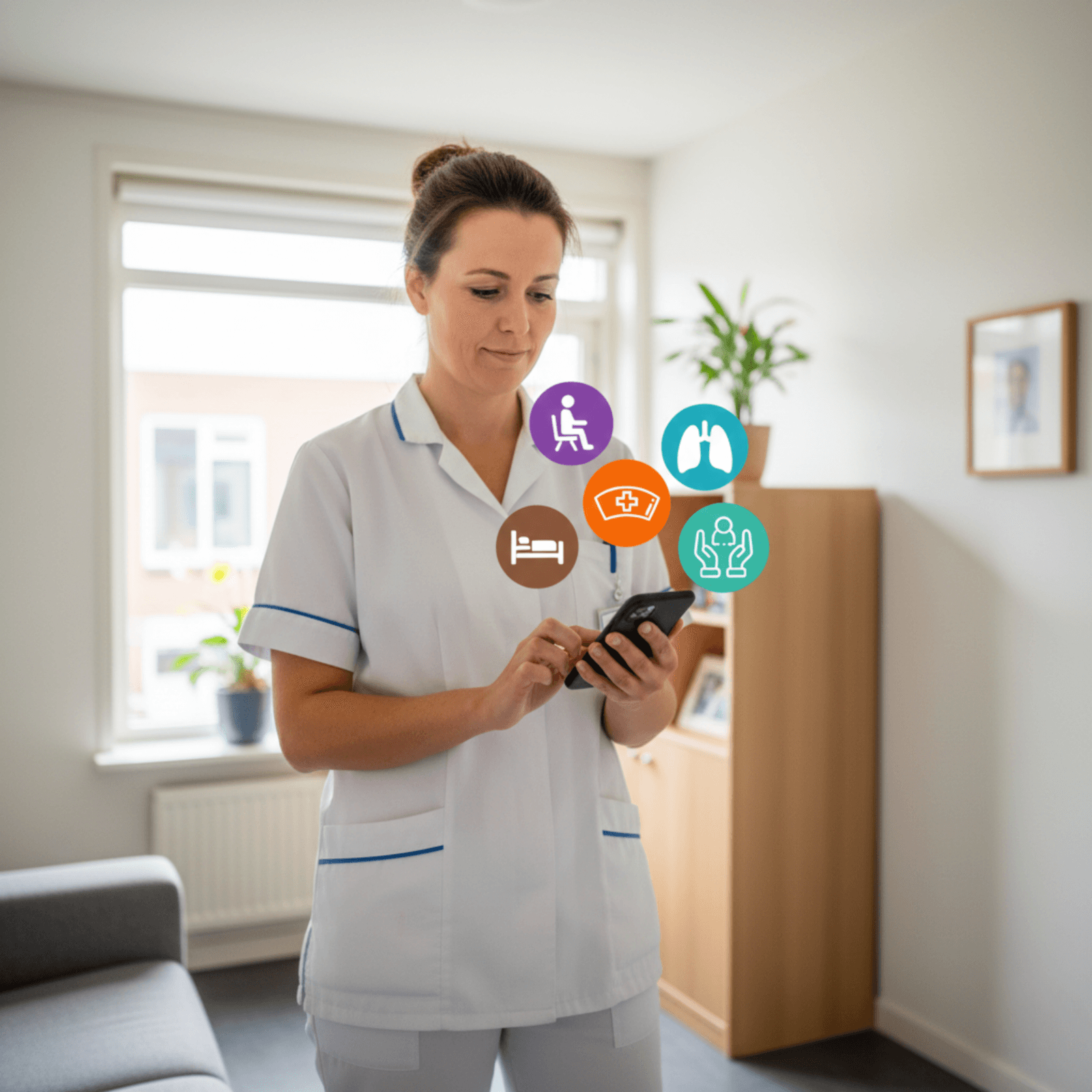
In elderly care, an alarm sounds almost constantly. From medical emergencies to equipment alerts or fall detection: staff are often overwhelmed with notifications. This constant stream of signals can lead to alarm fatigue, causing staff to ignore signals more quickly, experience stress and make more mistakes.
A better understanding of alarm fatigue helps care organizations to increase safety, reduce workload and set clear priorities.
1. Causes of alarm fatigue
Alarm fatigue usually results from a combination of factors:
- Notification overload: too many alarms per day, a large share of which require no immediate action
- Poor filtering: important signals get lost among less urgent notifications
- Unclear prioritization: staff do not always know which notifications to handle first
- Technological limitations: equipment without smart prioritization or location information can cause confusion
These factors reduce the impact of alarms and make staff tune out signals more quickly.
2. Consequences for safety and workload
Alarm fatigue has clear consequences:
- Safety risks: important alarm situations may go unnoticed
- Increased workload: constantly responding to noise notifications leads to stress and fatigue
- Less satisfied staff: employees feel overwhelmed and less effective
It is a vicious circle: the more alarms, the greater the chance that critical signals are overlooked.
3. Necessary vs. noise notifications
An important step in reducing alarm fatigue is distinguishing urgent notifications from noise:
- Necessary notifications: immediate action is required, for example a fall or acute medical emergency
- Noise notifications: signals that do not require immediate intervention, for example a low battery level or non-urgent warnings
This separation lets staff focus on what really matters.
4. Organizational and technological solutions
Effective solutions combine policy and technology:
- Smart alarm filtering: prioritizing notifications by urgency, location and type of incident
- Centralized notifications: one overview, so staff do not have to watch several systems at once
- Clear protocols: who responds to which type of alarm and within what time
- Training and awareness: staff learn to deal with alarms and know how to act in different scenarios
These measures make alarms more meaningful and reduce the risk of critical situations being overlooked.
5. Sector trends and the future of smart alerting
Elderly care is moving towards smarter and integrated alerting:
- Predictive alerts that detect risks before incidents escalate
- Automated escalation when there is no response
- Improved indoor location tracking
- Integration with digital records and scheduling systems
This way alarms are not only picked up faster, but stress on the work floor also decreases.
Conclusion
Alarm fatigue is a serious risk to both safety and workload in elderly care. By filtering notifications, clarifying priorities and using protocols and technology wisely, care organizations can recognize critical signals faster and reduce workload.
Question for care organizations:
What steps is your organization taking to reduce alarm fatigue and safeguard the safety of residents and staff?
Other articles
- Alarm fatigue in elderly careIn elderly care, an alarm sounds almost constantly. From medical emergencies to equipment alerts or fall detection: staff are...
 Healthcare logistics: efficiency and cost savings ...Efficiency and cost savings in modern healthcare Healthcare organizations are under pressure from rising costs, staff shortag...
 How smart technology contributes to safety in heal...AI-driven technology makes healthcare safer and smarter Safety is an essential requirement for good care. Healthcare faciliti...